The eCommerce landscape is evolving at an unprecedented pace. With increasing customer expectations, businesses are under pressure to deliver fast, personalized, and seamless shopping experiences across multiple channels. Traditional eCommerce platforms, while reliable, often lack the flexibility needed to adapt to modern digital demands. This is where Headless commerce development services are making a significant impact.

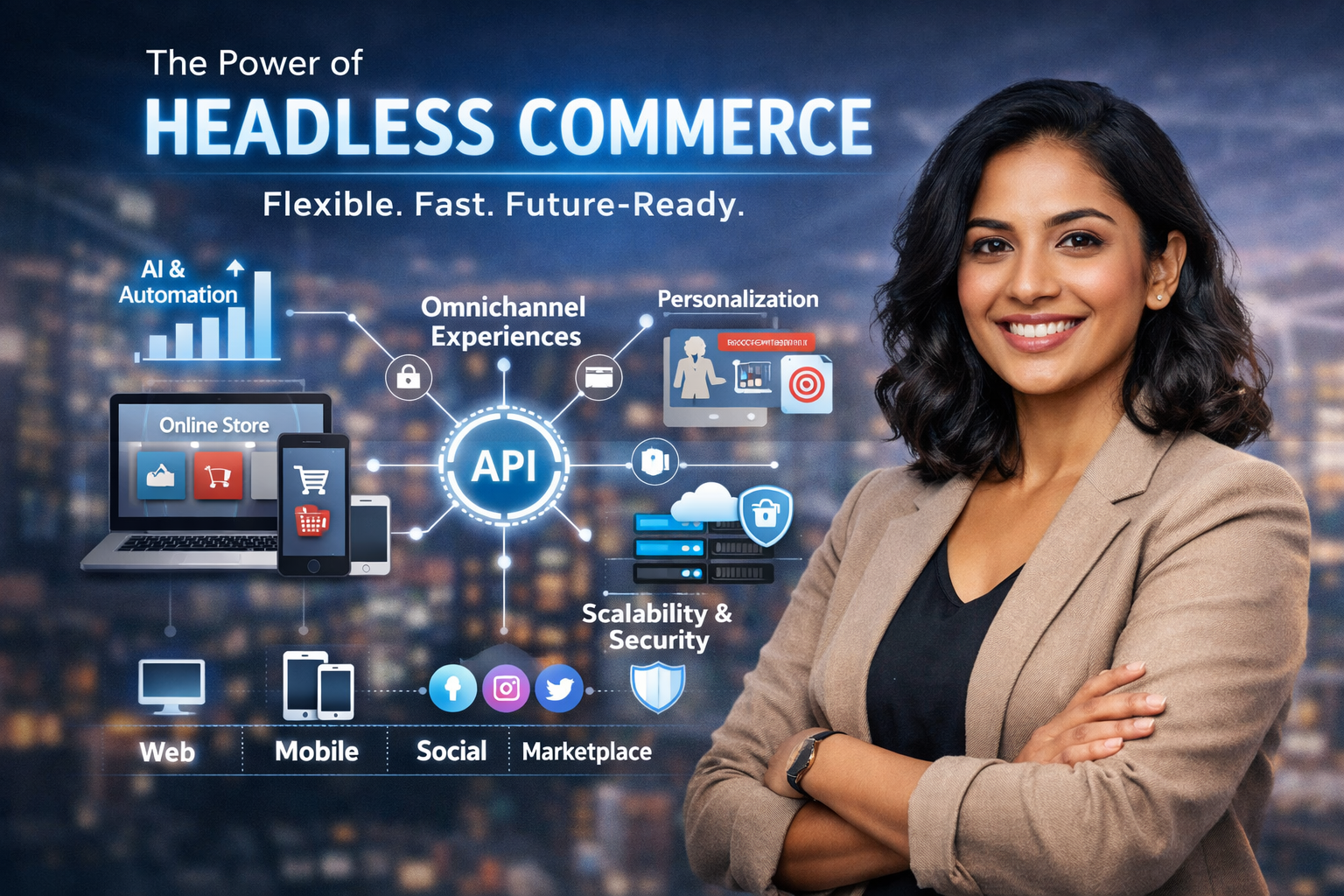
By decoupling the frontend from the backend, headless architecture allows businesses to create highly customizable and scalable eCommerce experiences. Whether it’s mobile apps, websites, IoT devices, or social commerce platforms, Headless commerce development services empower brands to deliver consistent and engaging user experiences across all touchpoints.
What is Headless Commerce and Why It Matters?
At its core, headless commerce separates the presentation layer (frontend) from the backend commerce engine. This means developers can build and modify the user interface independently without affecting backend operations.
With Headless Commerce Development, businesses gain the flexibility to innovate faster and respond to changing customer behaviors. Unlike traditional monolithic systems, this approach provides greater control over design, performance, and integrations.
A well-executed Headless Commerce Development strategy ensures that businesses can deliver seamless omnichannel experiences while maintaining operational efficiency.
Why Businesses Are Moving Toward Headless Commerce Development Services
1. Unmatched Flexibility and Customization
One of the biggest advantages of Headless commerce development services is the ability to fully customize the frontend experience. Businesses are no longer restricted by predefined templates or platform limitations.
This flexibility allows brands to:
Create unique and engaging user interfaces
Adapt quickly to market trends
Deliver personalized customer experiences
2. Omnichannel Experience Across Platforms
Modern consumers interact with brands through multiple channels, including mobile apps, websites, smart devices, and social media platforms.
With Headless commerce development services, businesses can:
Deliver consistent experiences across all channels
Integrate with emerging technologies like voice assistants and IoT
Manage content centrally while distributing it across multiple platforms
This omnichannel capability is a key driver behind the growing adoption of Headless Commerce Development.
3. Faster Time-to-Market
Speed is critical in today’s competitive eCommerce environment. Traditional platforms often slow down development due to tightly coupled systems.
By leveraging Headless commerce development services, businesses can:
Develop frontend and backend independently
Launch new features faster
Reduce development bottlenecks
This agility enables brands to stay ahead of competitors and respond quickly to market demands.
4. Improved Performance and Scalability
Website performance directly impacts user experience and conversion rates. Headless architecture allows developers to optimize frontend performance without being constrained by backend limitations.
Key benefits include:
Faster page load times
Improved site responsiveness
Scalability to handle high traffic
With Headless commerce development services, businesses can ensure their platforms perform efficiently even during peak traffic periods.
5. Seamless Integration with Third-Party Tools
Modern eCommerce requires integration with various tools such as payment gateways, CRM systems, marketing automation platforms, and analytics tools.
A strong Headless Commerce Development approach allows:
Easy API-based integrations
Flexibility to choose best-of-breed tools
Improved data synchronization across systems
Key Use Cases of Headless Commerce
Headless commerce is transforming how businesses approach online retail. Here are some common use cases:
1. Mobile-First Commerce
With mobile commerce dominating the market, businesses need fast and responsive mobile applications. Headless architecture enables developers to create optimized mobile experiences without compromising backend functionality.
2. Personalized Shopping Experiences
Personalization is a major factor in customer retention. Headless systems allow businesses to deliver tailored content, product recommendations, and offers based on user behavior.
3. Global eCommerce Platforms
For businesses operating in multiple regions, headless commerce provides the flexibility to localize content and adapt to regional preferences while maintaining a centralized backend.
4. Progressive Web Applications (PWAs)
Headless commerce is ideal for building PWAs that combine the best features of web and mobile applications, offering fast performance and offline capabilities.
How Headless Commerce Development Services Drive Business Growth
1. Enhanced Customer Experience
Customer experience is at the heart of eCommerce success. By using Headless commerce development services, businesses can create intuitive, fast, and engaging interfaces that keep customers coming back.
2. Increased Conversion Rates
Faster load times and personalized experiences directly contribute to higher conversion rates. Headless architecture ensures that users have a smooth and enjoyable shopping journey.
3. Future-Proof Technology
Technology is constantly evolving, and businesses need solutions that can adapt to future trends. Headless commerce provides a flexible foundation that supports innovation and scalability.
4. Reduced Operational Complexity
Although headless architecture may seem complex initially, it simplifies long-term operations by enabling modular development and easier updates.
Best Practices for Implementing Headless Commerce
To fully leverage the benefits of Headless commerce development services, businesses should follow these best practices:
1. Define Clear Business Goals
Understand what you want to achieve with headless commerce, whether it’s improved performance, better UX, or omnichannel capabilities.
2. Choose the Right Technology Stack
Select technologies that align with your business needs and future scalability requirements.
3. Focus on API-First Development
Ensure seamless communication between frontend and backend through well-designed APIs.
4. Prioritize Security
Implement robust security measures to protect customer data and transactions.
5. Continuous Testing and Optimization
Regularly test and optimize your platform to maintain high performance and reliability.
The Future of Headless Commerce
The adoption of headless commerce is expected to grow rapidly as businesses prioritize flexibility, scalability, and customer experience. Emerging technologies such as AI, AR/VR, and voice commerce will further enhance the capabilities of headless systems.
With ongoing advancements, Headless commerce development services will continue to play a crucial role in shaping the future of online retail.
Conclusion
The shift toward headless architecture is transforming the eCommerce industry. By decoupling frontend and backend systems, businesses gain the flexibility to innovate, scale, and deliver exceptional customer experiences.
Investing in Headless commerce development services is no longer just an option it’s a strategic move for businesses looking to stay competitive in the digital marketplace. With the right approach and expertise in Headless Commerce Development, organizations can build future-ready platforms that drive growth and success.




Write a comment ...